
Expressive Arts Therapy
What Is Expressive Arts Therapy?
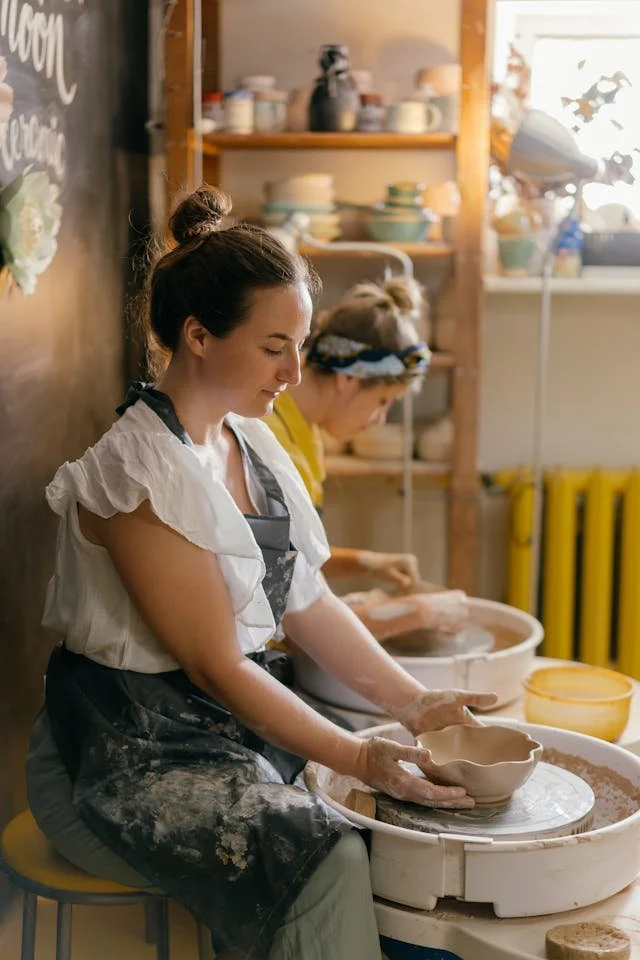
Expressive arts therapy is a creative approach to emotional healing that emphasizes the process of making art rather than the final product. This approach to therapy can encompass visual arts, writing, drama, music, movement, and more. An expressive arts therapist fosters a safe environment where clients can be vulnerable while tapping into their imaginations, establishing a mindful alternative to traditional talk therapy.
Individuals can explore their thoughts, emotions, ideas, and experiences through colors, shapes, lines, textures, and words without the explicit need to verbally state their feelings. Clients are encouraged to let go of expectations around what art “should” look like and make sense of their inner worlds through creation.
People who are struggling to express complex emotions—or who have learned to suppress feelings like anger, sadness, or anxiety—can find relief through arts therapy and apply new insights to their everyday lives. Exercising mental flexibility helps people reframe trauma narratives and let go of old beliefs that no longer serve them.
Expressive arts therapy can complement other evidence-backed modalities for trauma-focused therapy, including EMDR therapy, CBT, DBT, and mindfulness-informed interventions. Guided, creative practice aids people in releasing stress and anxiety, building resilience, developing healthier coping mechanisms, and cultivating true inner peace.
How Does Expressive Arts Therapy Work?
Art therapy sessions can be customized to your unique needs and goals. When we meet for art therapy, we’ll discuss how you’re feeling and your long-term goals for treatment or short-term goals for the session.
Next, I’ll guide you in a short meditation, helping you relax and get in touch with your emotions before diving into your artwork. Individual art therapy sessions can be structured or unstructured depending on your needs, and we’ll work together to decide what suits you best, fostering an environment for creative self-expression while granting you a sense of control. You can choose which medium you’d like to work with and how you want to approach your art.
When you’ve finished creating, you can reflect on your art, and we’ll discuss how the process felt and how it might inspire new coping strategies. I encourage clients not to try to change unwanted thoughts, but instead develop a more compassionate relationship with their thoughts and experiences through art.
In addition to offering art therapy for individuals, I also facilitate art therapy programs for groups. In my 8-week art therapy group program, participants can experiment with different creative practices, share any emotional insights they’ve gained through their art, and find inspiration through each other’s projects.
At the beginning of each group session, I’ll check in and give everyone the opportunity to introduce themselves. I’ll also provide a prompt or directive for the art-making session. Once you’ve had time to create, I’ll support the group in sharing their personal reflections and processing any emotions that may have come up during the session.
In both individual and group art therapy sessions, we’ll wrap up with calming exercises like deep breathing, gentle stretches, or a short meditation to ease you back into your day. I’ll offer follow-up support if needed and suggest creative activities to try at home.
Have any questions? Send us a message!
Who Can Benefit From Expressive Arts Therapy?
Activities like making music, drawing, painting, writing, or working with clay or textiles touch the soul and help people cope with anxiety, life transitions, stress, and past trauma.
Through art therapy, people who are suffering from grief will learn that they can honor their pain without falling apart, finding moments of joy beyond the depths of despair. Individuals living with depression can also discover newfound confidence and creativity in art therapy.
Through this approach, clients can shift from surviving to thriving. Art therapy provides opportunities to self-soothe, practice emotional regulation, and deepen your understanding of your true self.
My Background In Expressive Arts Therapy
I completed the “Expressive Arts Therapy: Creative Solutions for Trauma Recovery” training program through PESI in 2025 and have been offering art therapy at my practice ever since. I sought training in expressive arts therapy because I saw the value in combining my passion for art with my dedication to helping others with counseling.
From a young age, I have found solace in creative practices. As a child, I could often be found with scissors in hand and a trail of paper behind me.
Art allowed me to process my feelings and find relief from stress while coping with tough situations. Creativity unlocked the gateway to mental freedom, and through art, I could truly express myself. I’ve always felt drawn to creativity in others, and I find deep fulfillment in guiding others in their artistic pursuits and facilitating spaces where they can delve into their own creativity.
Why I Offer Expressive Arts Therapy
I believe that each person possesses their own unique “art language,” and getting in touch with this language can help you better understand and care for yourself. I aim to not only support clients with traditional therapy but also empower individuals to build their creative practices and turn to art as a lifelong tool for self-care and personal discovery.
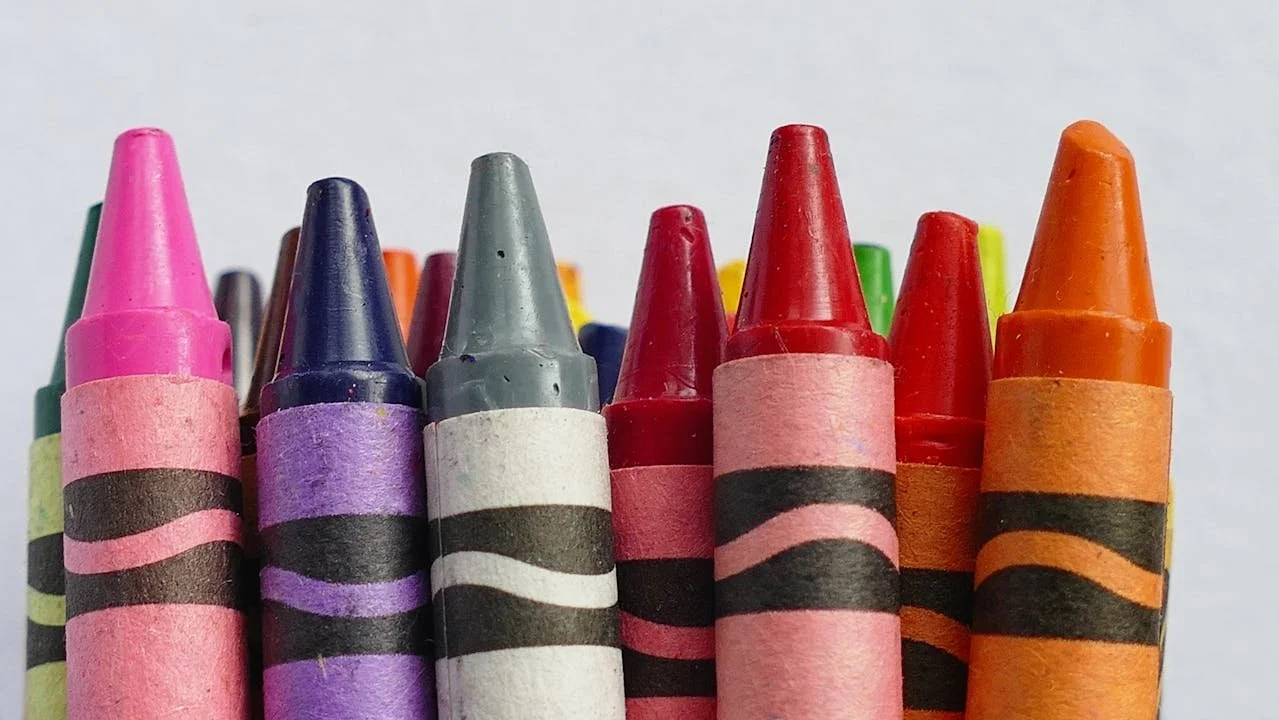
Art Therapy Can Be A Powerful Path To Self-Discovery
If you are interested in individual or group art therapy sessions, I invite you to contact my practice to schedule a free consultation and learn more about my approach to expressive arts therapy.
Expressive arts therapy offers a creative way to explore emotions and foster healing when words alone fall short. This approach integrates art, music, movement, and writing to help you access deeper feelings, uncover insight, and support emotional growth in a safe therapeutic space.