
Therapy comes in many forms, and one of the more creative methods is through arts therapies. Two common types are traditional therapy and expressive arts therapy. While both offer unique benefits, they approach healing in different ways. Understanding these differences can help a person decide which therapy might work best for them.
Traditional Therapy: Talking Through the Issues
Traditional therapy is what most people are familiar with. It is based on talking about emotions, thoughts, and behaviors with a trained therapist. Common types of traditional therapy include Cognitive Behavioral Therapy (CBT), Psychodynamic Therapy, and Dialectical Behavioral Therapy (DBT). In these sessions, clients often sit and discuss their challenges in a structured setting.
The main goal of traditional therapy is to help clients understand and address their emotional or mental health concerns through conversation. Therapists use evidence-based techniques to guide clients in developing coping skills, understanding underlying issues, and improving mental well-being. This type of therapy relies heavily on verbal communication.
Expressive Arts Therapy: Alternative Healing Through Creativity
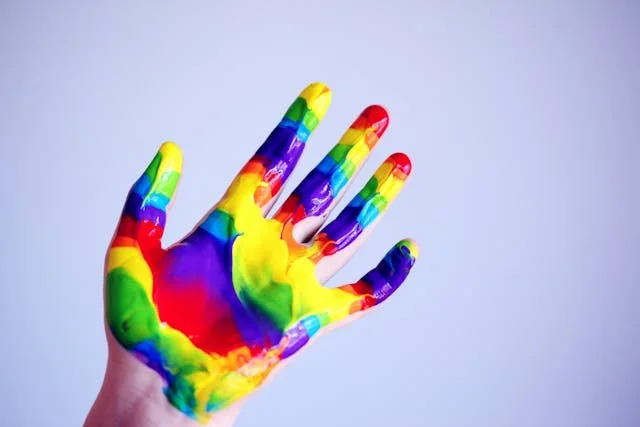
Expressive arts therapy uses different forms of creative expression, such as drawing, painting, music, dance, or writing, to help people explore their emotions. Rather than focusing on verbal communication, this therapy encourages individuals to express themselves non-verbally, allowing them to release feelings that might be hard to articulate through words.
Expressive arts therapy can be especially helpful for those who struggle to express themselves or for individuals who have experienced trauma. Art becomes a tool for expression and self-exploration. For example, drawing a picture or writing a poem about an event or feeling may allow a person to express emotions they couldn't find a way to say out loud. It provides a safe space for individuals to process their feelings without the pressure of having to find the "right words."
Key Differences Between Traditional and Expressive Arts Therapy
Focus of Therapy
Traditional therapy focuses on verbal communication. Clients discuss their thoughts, feelings, and experiences to gain insight and develop coping strategies. Expressive arts therapy, however, centers on non-verbal expression. It uses creative outlets to facilitate healing and self-discovery.
Therapist's Role
In traditional therapy, the therapist often plays a guiding role in discussions, helping the client to gain clarity and provide feedback on their thought patterns and behaviors. In expressive arts therapy, the therapist still offers guidance but focuses on helping the client use creativity to explore their emotions and process trauma in a way that feels natural to them.
How Emotions Are Expressed
In traditional therapy, emotions are discussed directly, often with a focus on understanding and changing thought patterns. In expressive arts therapy, emotions are expressed through creativity. A client might paint an image of their feelings, compose a song about a challenge, or use movement to represent their emotional state.
Who It Works Best For
Traditional therapy is effective for individuals who feel comfortable discussing their feelings and thoughts verbally. It can help those who are looking to understand the root of their emotional issues and develop strategies to cope with them. Expressive arts therapy can be particularly useful for people who find it difficult to talk about their emotions.
When to Choose Each Approach
There is no one-size-fits-all answer in therapy. The decision to choose traditional or expressive arts therapy depends on personal preferences, the type of issue being addressed, and the goals of therapy. Some people may prefer the structure and verbal communication of traditional therapy, while others may feel more comfortable or connected to their emotions through creative expression.
Conclusion
Both traditional and expressive arts therapy have their own benefits. Traditional therapy helps individuals process their emotions and develop coping skills through conversation. Expressive arts therapy provides a creative way to explore and express emotions that might be difficult to put into words. Connect with an expressive arts therapist today by reaching out on my website.
